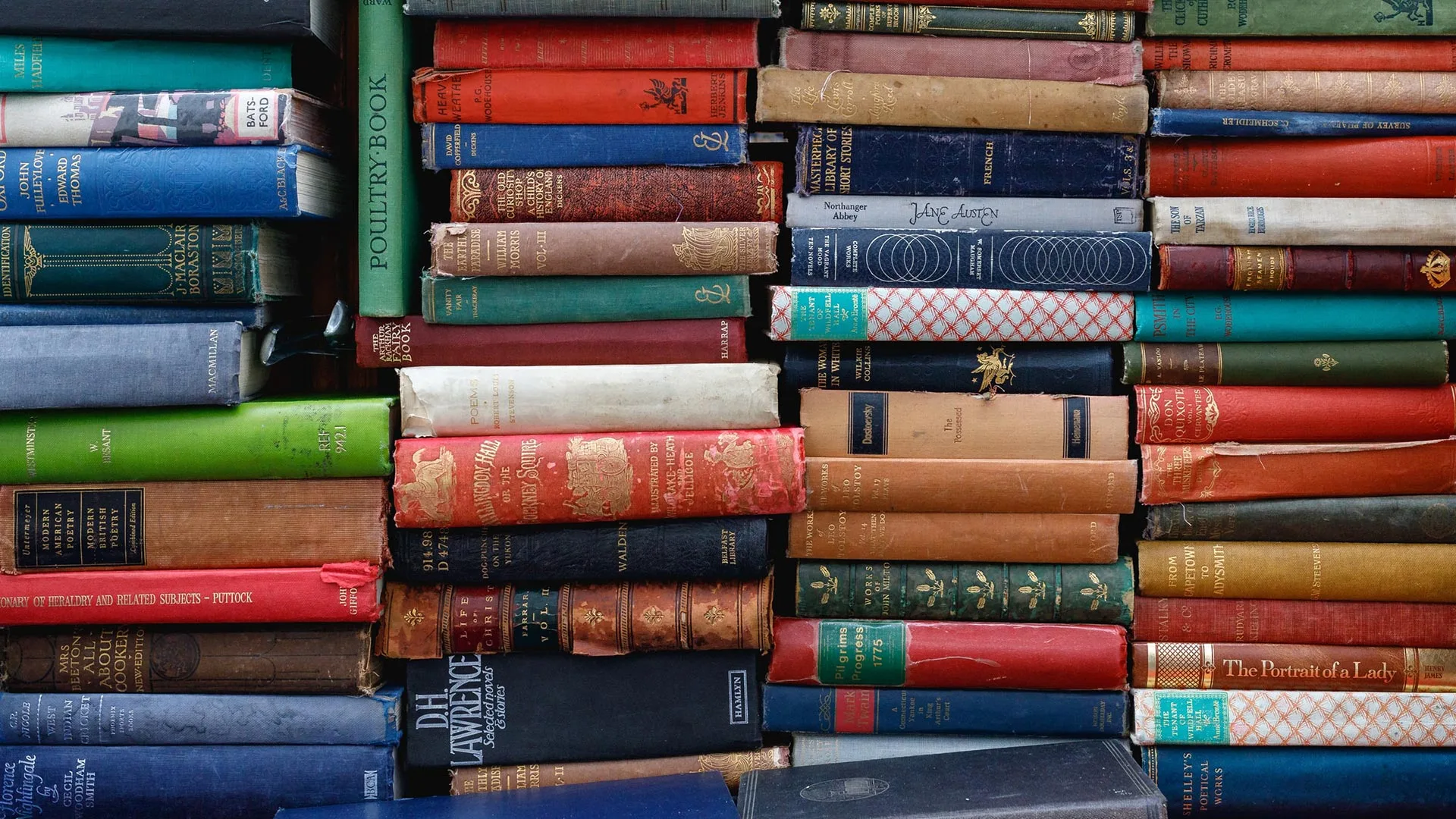
Sul così detto dessert delle tavole moderne ragionamento
Sul così detto dessert delle tavole moderne ragionamento | Libri antichi e moderni | D'ESTE, Giuseppe (fl. 1822-1850)
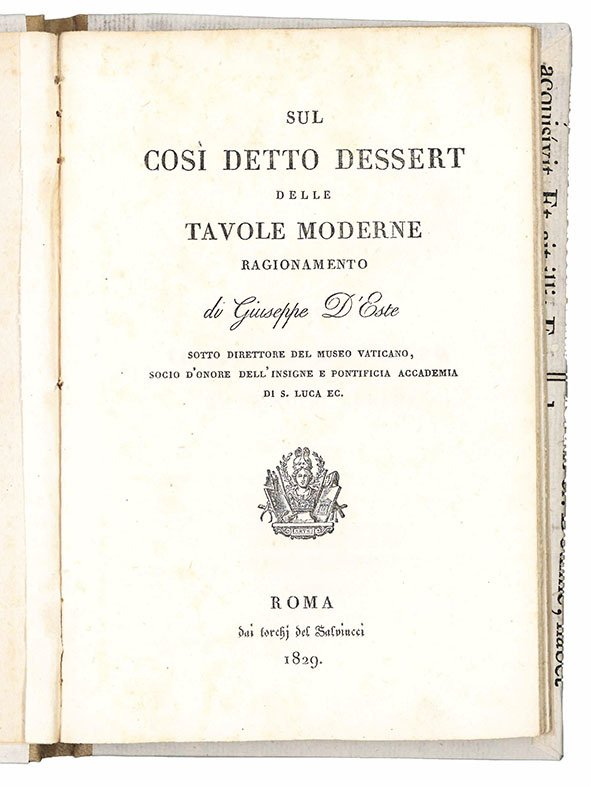
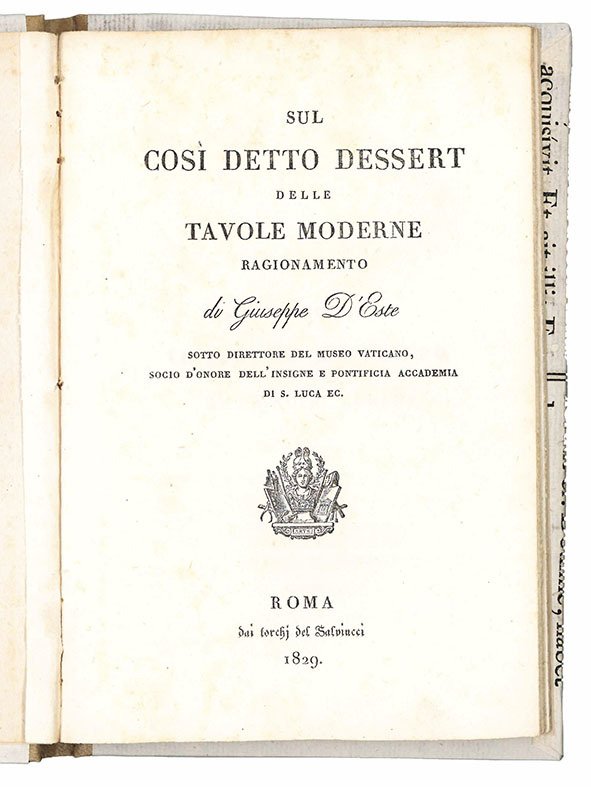
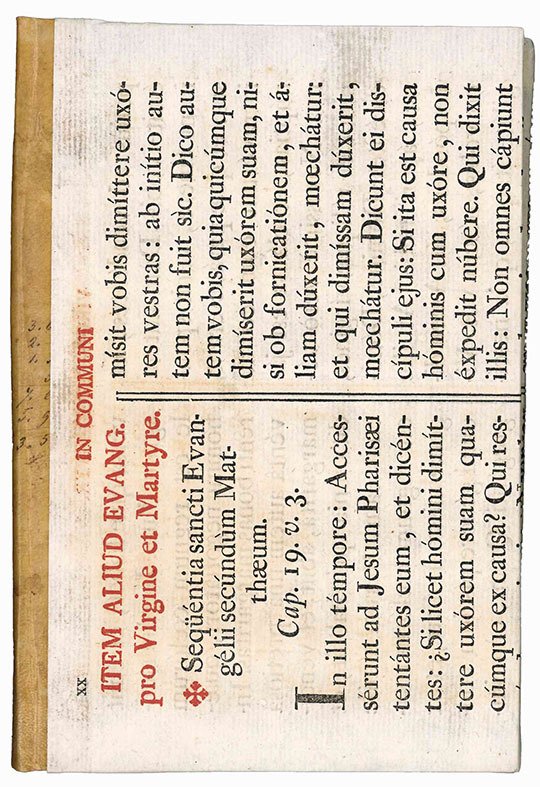
Sul così detto dessert delle tavole moderne ragionamento
Sul così detto dessert delle tavole moderne ragionamento | Libri antichi e moderni | D'ESTE, Giuseppe (fl. 1822-1850)
Metodi di Pagamento
- PayPal
- Carta di Credito
- Bonifico Bancario
- Pubblica amministrazione
- Carta del Docente
Dettagli
- Anno di pubblicazione
- 1829
- Luogo di stampa
- Roma
- Autore
- D'ESTE, Giuseppe (fl. 1822-1850)
- Editori
- dai torchi del Salviucci
- Soggetto
- Ottocento e Novecento
- Stato di conservazione
- Buono
- Lingue
- Italiano
- Legatura
- Rilegato
- Condizioni
- Usato
Descrizione
8vo (199x134 mm). [2], 47, [3] pp. Woodcut ornament on the title page. Modern quarter vellum. A very good copy.
First edition of this erudite dissertation also published in the July 1929 issue of the “Giornale Arcadico”. The text was commissioned by an “illustrious person” who had purchased an elaborate dessert stand featuring mythological figures, a temple, obelisks and other ornaments made from different materials, including rare marbles, and wanted to have it described and explained by the author.
Giuseppe D'Este's Sul così detto dessert delle tavole moderne is thus a learned essay on the historical origins of the final course of the meal. The work examines the custom of the dessert from an antiquarian perspective, comparing modern practices with ancient (Jewish, Greek and Roman) convivial traditions and considering the role of fruit, sweet foods and other delicacies served at the end of a meal. In particular, D'Este explicitly links the origins of modern-day dessert to the so-called Roman secunda mensa, when fruit, sweetmeats, and wine were served at the end of the meal. He treats the modern dessert not simply as a fashionable usage imported from France, but as part of a much longer tradition whose terminology and forms have evolved over time.
Giuseppe D'Este was a Roman antiquarian and scholar active in the early nineteenth century and connected with the Vatican collections, where he served as deputy director of the Museo Vaticano. He published works on archaeology, sculpture and ancient monuments, and this short gastronomic essay reflects the same historical and antiquarian approach applied to dining customs.
Italian Union Catalogue, IT\ICCU\VIAE\013976.