Ethica naturalis seu Documenta moralia e variis rerum naturalium proprietatibus virtutum vitiorumque symbolicis imaginibus collecta
Ethica naturalis seu Documenta moralia e variis rerum naturalium proprietatibus virtutum vitiorumque symbolicis imaginibus collecta | Libri antichi e moderni | WEIGEL, Christoph (1654-1726)
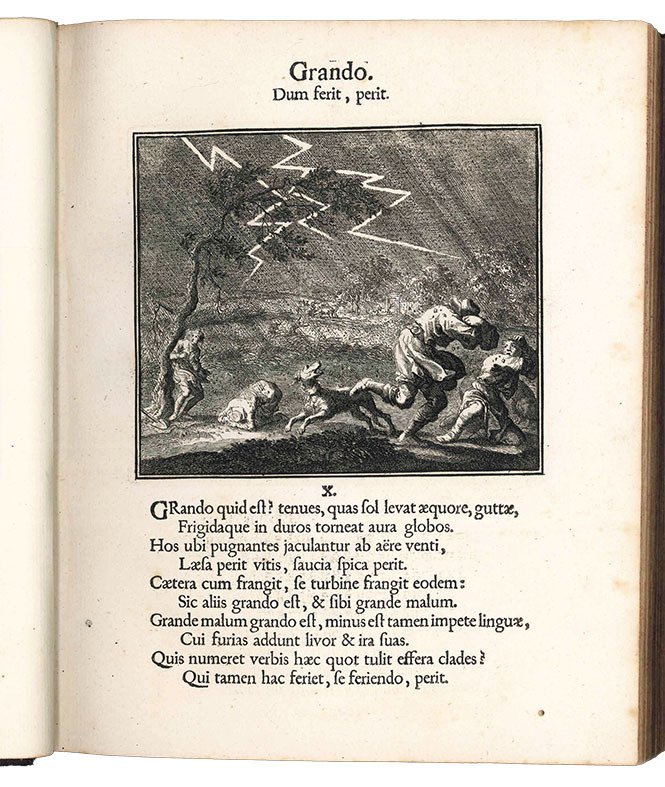
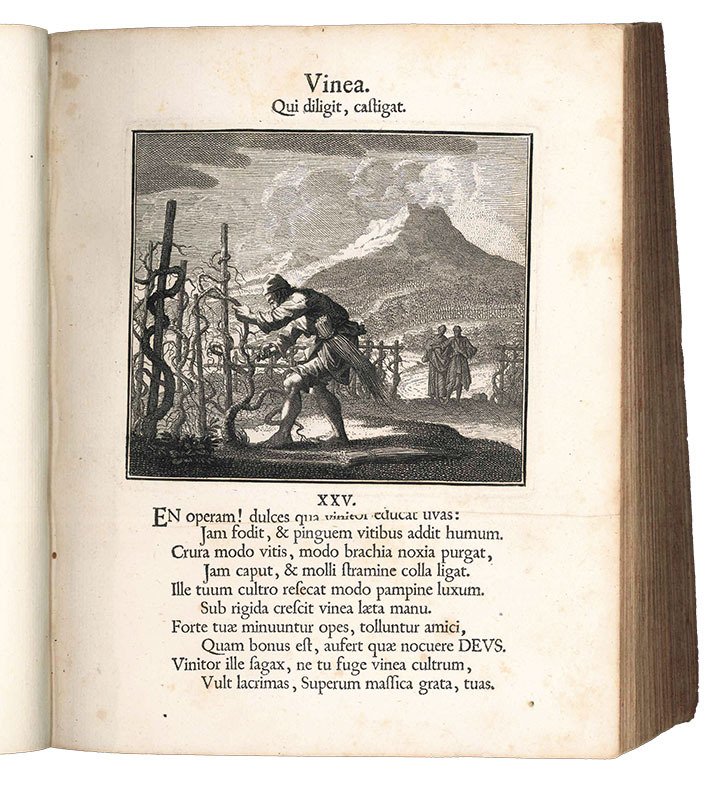
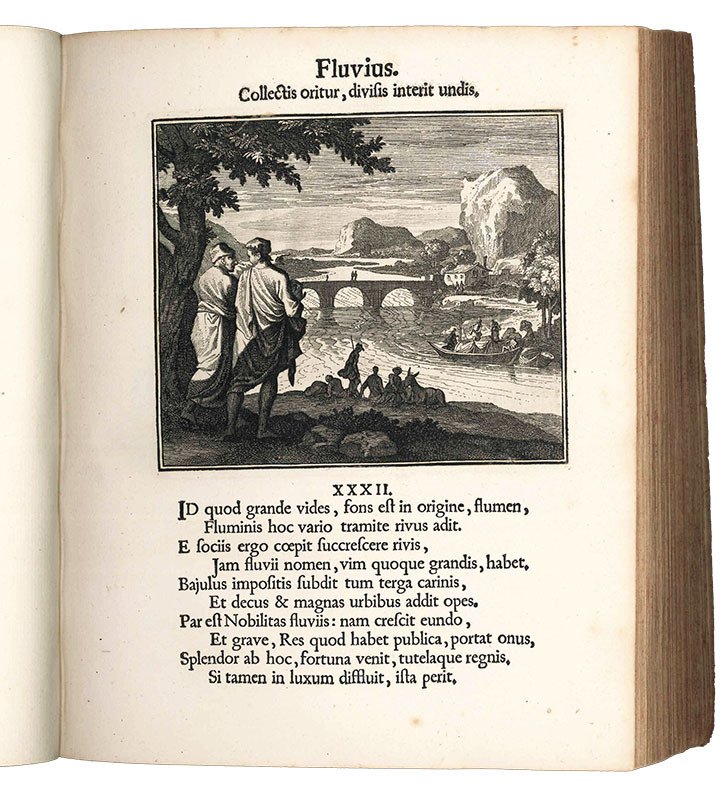
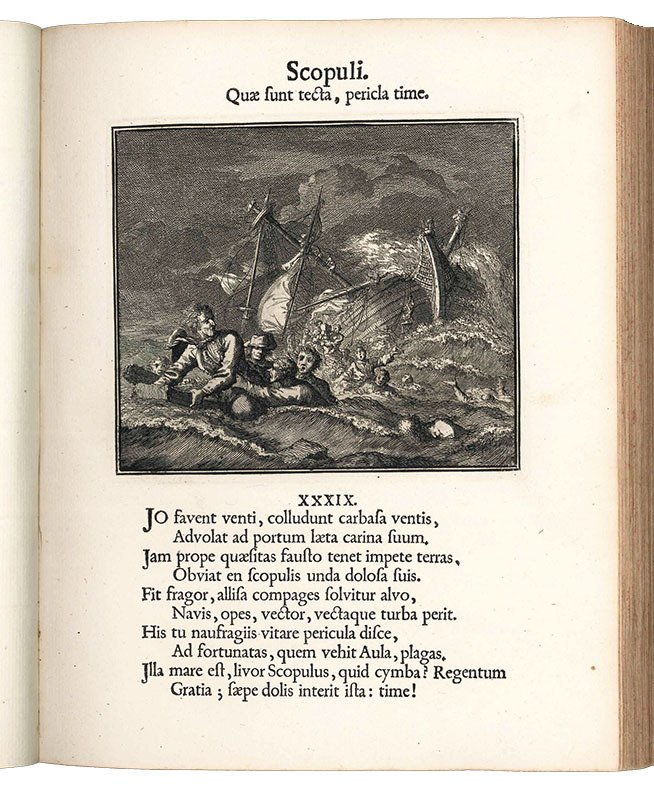
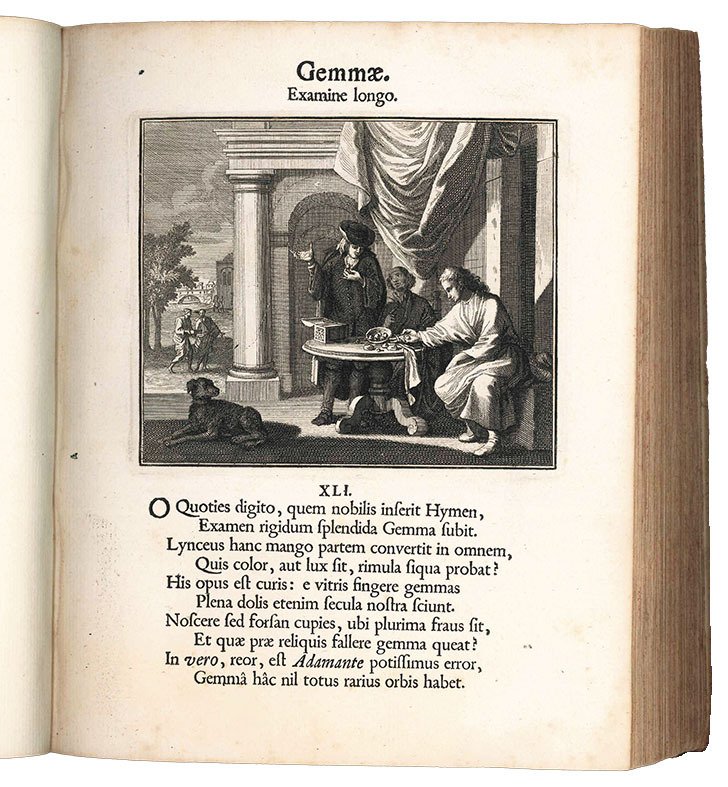
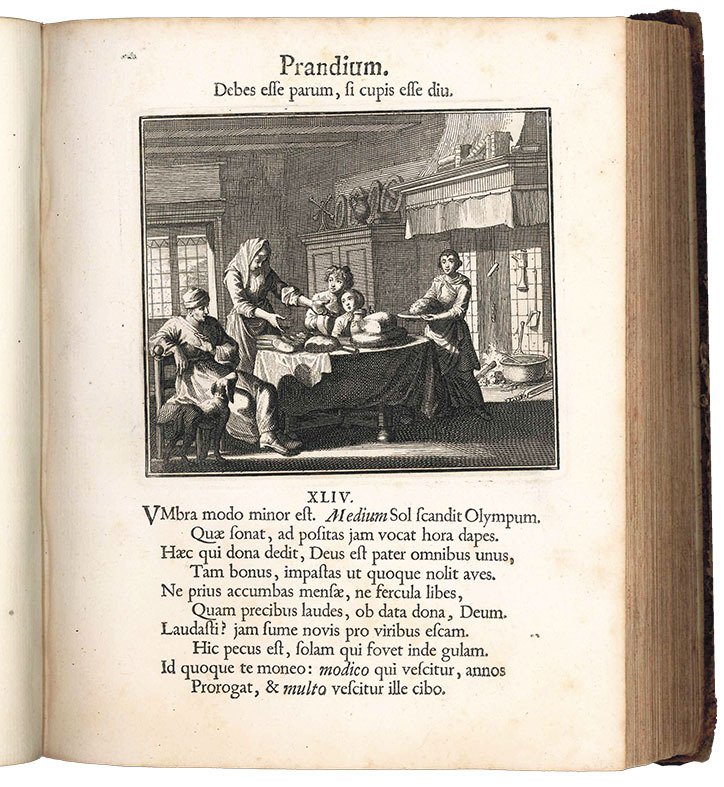
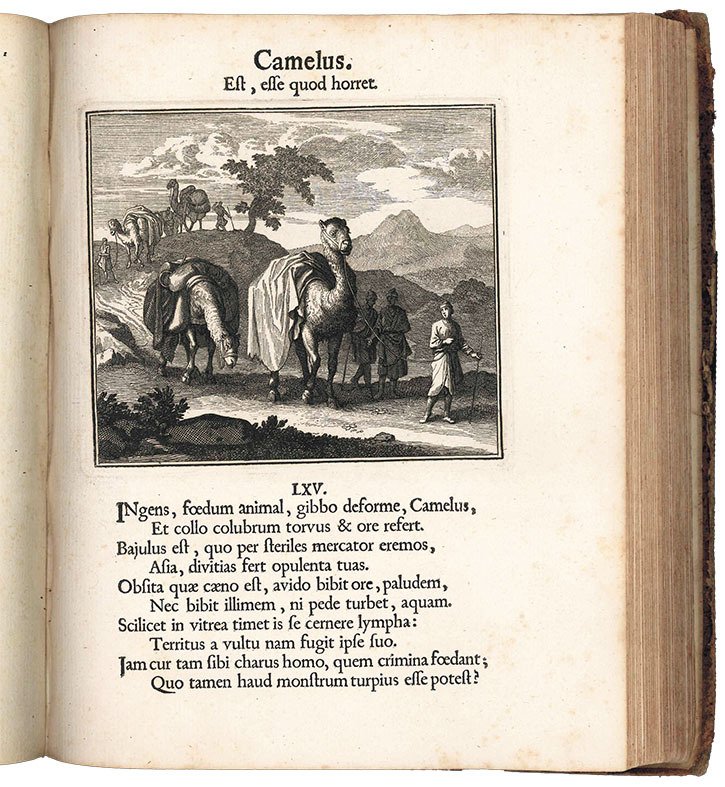
Ethica naturalis seu Documenta moralia e variis rerum naturalium proprietatibus virtutum vitiorumque symbolicis imaginibus collecta
Ethica naturalis seu Documenta moralia e variis rerum naturalium proprietatibus virtutum vitiorumque symbolicis imaginibus collecta | Libri antichi e moderni | WEIGEL, Christoph (1654-1726)
Metodi di Pagamento
- PayPal
- Carta di Credito
- Bonifico Bancario
- Pubblica amministrazione
- Carta del Docente
Dettagli
- Anno di pubblicazione
- 1698-1707 ca.
- Luogo di stampa
- Nürnberg
- Autore
- WEIGEL, Christoph (1654-1726)
- Soggetto
- settecento
- Stato di conservazione
- Buono
- Lingue
- Italiano
- Legatura
- Rilegato
- Condizioni
- Usato
Descrizione
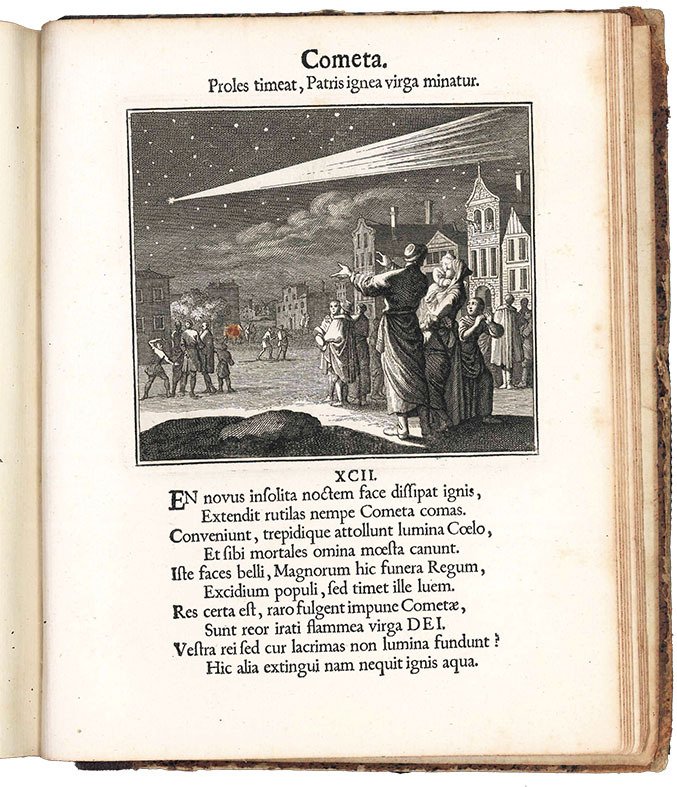
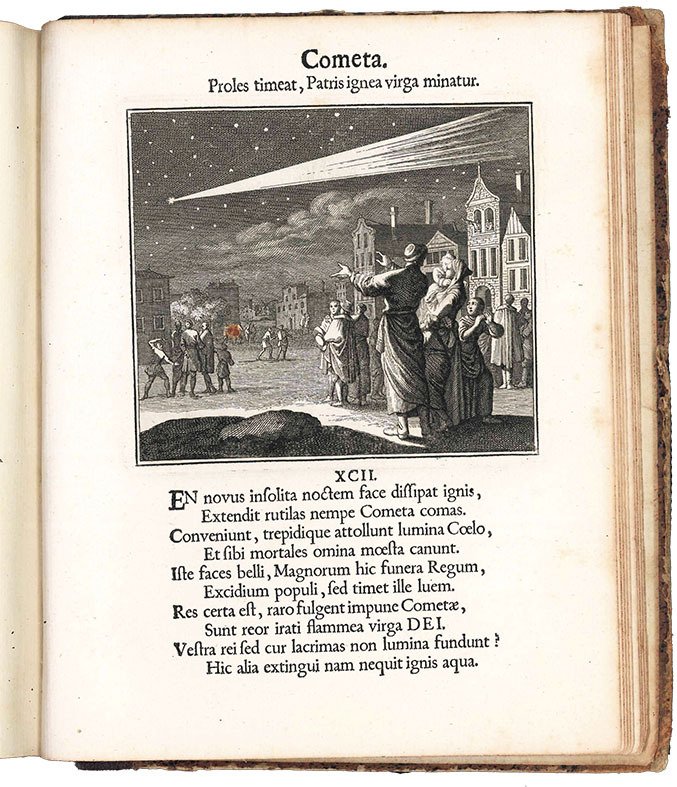
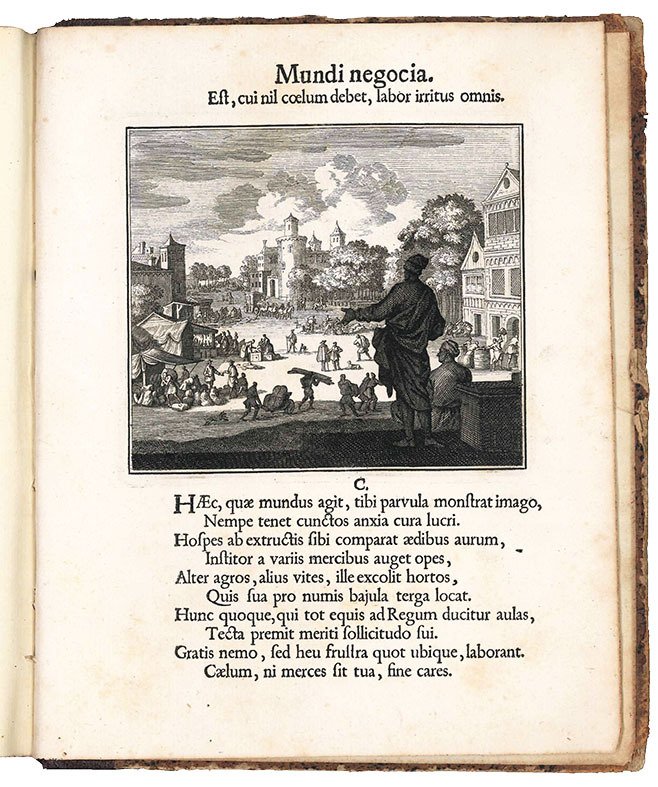
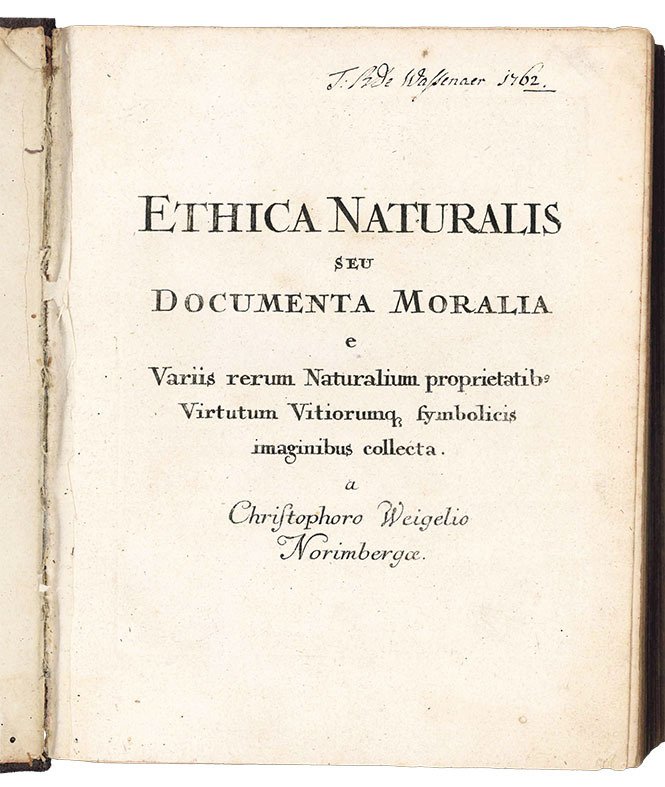
4to (218x173 mm). Engraved title page and C numbered leaves printed on recto only with emblem illustration and Latin text in verse. The printed leaves are interfoliated with blank leaves presumably to allow annotations. 19th-century marbled boards (rebacked, slighlty worn and rubbed). Ownership entry on the title page “T.B. De Wassenaer, 1762”. A good, clean copy.
Rare first edition, first issue (a second issues was printed much later in Nuremberg in 1766), of this series of 100 educational emblematic illustrations by Christoph Weigel, engraved by Jan Luiken (1649-1712) (41) and Casper Luiken (1672-1708) (59). The engravings, which are accompanied by a 10-line Latin verse in letterpress and were meant for the instruction of the yougth, illustrates natural phenomena and situations in human life, including: the sun, moon, and stars; the elements; the weather; geological formations; agriculture and horticulture; shipping and harbors; mining; times of day and seasons; various mammals, birds, and fish (including scenes of fishing and whaling); stages of life; health and illness; wealth and poverty; war and natural disasters.
Christoph Weigel the Elder was a prolific and influential copperplate engraver, art publisher, cartographer, and art dealer. Operating at the intersection of visual art, craft technology, and early Enlightenment encyclopedism, Weigel transformed the traditional print workshop into an expansive publishing empire centered in the Imperial Free City of Nuremberg. His monumental visual documentation of early modern society - most notably his seminal 1698 publication Abbildung der Gemein-Nützlichen Haupt-Stände (commonly known as the Ständebuch) - represents an important stage in the historical cataloging of human labor, mechanical arts, and social hierarchy. Beyond his contribution to the representation of trades, Weigel produced massive illustrative cycles for sacred Scripture, heraldic compendia, architectural treatises, and cartographic atlases. In doing so, he synthesized the refined craftsmanship of the Augsburg printmaking school, the opulent courtly aesthetic of Imperial Vienna, and the sophisticated commercial distribution networks of Nuremberg and Frankfurt am Main. His career embodies the transition of the early modern printmaker from an anonymous artisan to an authoritative intellectual entrepreneur whose visual inventories shaped the empirical worldview of early eighteenth-century Europe.
Born in Redwitz (now Marktredwitz in Upper Franconia), Weigel was raised in an environment shaped by Lutheran piety and regional craft traditions. Recognizing his innate talent for precise draughtsmanship and mechanical arts, his family arranged for his early apprenticeship in goldsmithing and copperplate engraving. To refine his technical mastery, the young Weigel traveled to Augsburg, which was then the premier capital of German line engraving, print manufacture, and goldsmithing. In Augsburg, Weigel immersed himself in the rigorous techniques of burin engraving, etching, and the newly developing medium of mezzotint (Schabkunst), learning to manipulate tonal values, light, and texture with exceptional delicacy. Seeking further professional advancement, Weigel traveled to Vienna, where he gained direct exposure to imperial court art, worked alongside prestigious court goldsmiths and engravers, and absorbed the dramatic visual rhetoric of the Counter-Reformation and Habsburg triumph. Subsequent residences in Frankfurt am Main and Regensburg expanded his contact with foreign diplomats, scholars, humanists, and publishing houses. This period of itinerant training not only perfected his skills as an engraver (sculptor) and draftsman (delineator) but also embedded him within an extraordinary network of European intellectuals, political patrons, and book-trade agents.
The pivotal epoch of Weigel's artistic maturity began in 1698 when he gained citizenship (Bürgerrecht) in the Free Imperial City of Nuremberg, establishing his