Food in Painting: From the Renaissance to the Present
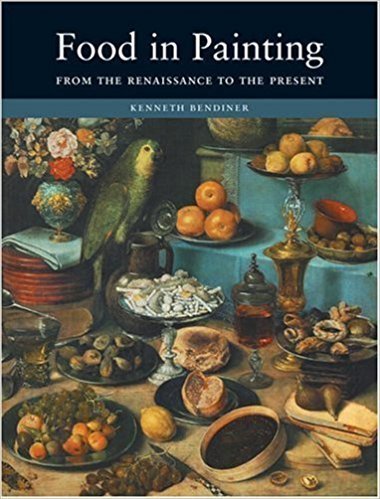
Food in Painting: From the Renaissance to the Present
Metodi di Pagamento
- PayPal
- Carta di Credito
- Bonifico Bancario
- Pubblica amministrazione
- Carta del Docente
Dettagli
- Autore
- Bendiner Kenneth
- Editori
- Reaktion Books (26 novembre 2004)
- Soggetto
- Food & Cooking
- Descrizione
- As New
- Descrizione
- H
- Sovracoperta
- True
- Stato di conservazione
- Come nuovo
- Legatura
- Rilegato
- Copia autografata
- False
- Prima edizione
- False
Descrizione
4to, hardcover in dj. profusely illustrated Bendiner's analysis of paintings - many of them not at all well-known - representing food are always thought-provoking. Some of his interpretations are influenced by Marx, by Freud, by Levi-Strauss, or by post-modernist theories. From Marx and Freud he borrows the concept of fetishism which is "a means of control" and it is fetishism "which gives food pictures their most enduring sense of pleasure". He refers to interpretations by earlier art historians, and some of these (as well as some of Bendiner's own) may strike the reader as more convincing than others. But in any case he draws attention to aspects of food painting which are likely to be unfamiliar to most viewers. As I have said, the images themselves may be unfamiliar. Many of them are by relatively or even completely minor artists. How many art lovers today have heard of Joachim Beuckelaer or Joachim Wtewael, for example, let alone the Danish painters Blunck and Hansen? Great significance in the history of food painting is rightly attached to 17th century Dutch artists, the first for whom the depiction of food was not an accessory to, say, religious paintings, but who made it a genre in its own right and have influenced painters of food ever since. The symbolism of food in religious subjects was, to many viewers, obvious: they knew how to interpret, for example, the presence of an apple. The interpretations which Bendiner gives to the genre paintings of food may not, with some exceptions (like vanitas symbolisms), have been so apparent to their viewers at the time, and they are certainly not so to us: the juxtaposition, for example, for foods representing the qualities of dry and hot with those representing cold and wet, in acknowledgment of the theory that a healthy diet requires the balance of all the four elements.
